
Technology has become a powerful force in shaping how people approach health, wellness, and everyday care. From education and training to treatment, prevention, and recovery, innovation is influencing nearly every aspect of how individuals maintain their well-being. What once depended heavily on manual techniques and traditional learning methods is now enhanced by digital tools, advanced equipment, and data-driven insights that improve accuracy, safety, and outcomes.
Health-focused careers are evolving alongside these advancements, requiring new skills and modern training environments that prepare professionals for today’s demands. Educational pathways are becoming more immersive and precise, helping students develop hands-on experience through technology-supported instruction. This shift ensures that wellness professionals enter the workforce with a deeper understanding of both theory and practice, ultimately benefiting the people they serve.
Together, these advancements demonstrate how technology is not replacing human care but strengthening it. By enhancing education, treatment, and wellness practices, innovation continues to make healthier lifestyles more accessible and effective. The following sections explore how these changes are reshaping specific roles, services, and solutions that contribute to better health outcomes across a wide range of industries.
Modern Education for Wellness Careers
The foundation of any effective health and wellness profession is quality education, and technology has significantly transformed how future practitioners learn. Traditional instruction often relied on textbooks and hands-on experience in controlled settings, but modern innovations now allow students to interact with simulations, virtual environments, and augmented reality modules that replicate real-world scenarios. This evolution ensures that learners can safely practice techniques while gaining deeper insight into anatomy, safety protocols, and client care.
A contemporary beauty school integrates digital learning platforms with hands-on labs to prepare students for careers in aesthetics, skincare, and wellness. Students can now observe procedures in high-definition video, simulate treatments, and receive instant feedback on their technique. These technological tools accelerate learning, enhance precision, and help students understand complex concepts that might have been difficult to grasp through traditional methods alone.
Beyond practical skills, technology in wellness education fosters critical thinking and problem-solving. Students can track progress digitally, access updated research, and collaborate remotely with instructors or peers. This creates a dynamic learning environment that prepares graduates to adapt to evolving industry standards, maintain high-quality care, and meet client expectations confidently.
Advancing Nail Care and Hygiene

Personal care industries have benefited tremendously from technology, especially in fields that focus on hygiene and precision. Advancements in tools, sterilization methods, and digital systems have raised standards for safety and efficiency, reducing the risk of infection and improving service quality. Technology also allows professionals to provide treatments more consistently, meeting client expectations for quality and comfort.
For nail techs, modern equipment like LED curing lamps, sterilizers, and digital appointment systems has streamlined operations. Tools designed for precision help technicians apply treatments evenly, while advanced sanitation equipment ensures that all tools and surfaces remain hygienic. Digital scheduling and record-keeping also improve client management, reducing errors and enhancing the overall experience.
These innovations also extend to training and professional development. Nail technicians can now access tutorials, workshops, and certification programs online, enabling them to stay current with new techniques, products, and safety guidelines. As technology continues to evolve, the nail care industry remains at the forefront of combining artistry with health-conscious practices, improving outcomes for both professionals and clients.
Safer and Smarter Pool Maintenance
Maintaining pools has always been a labor-intensive task, requiring careful monitoring of water chemistry, cleaning, and mechanical systems. Technology has revolutionized pool maintenance by providing tools that monitor conditions in real time, detect problems early, and automate routine tasks. These systems ensure pools remain safe, hygienic, and enjoyable for users.
In pool repair, sensors and diagnostic devices allow technicians to identify leaks, equipment failures, or water imbalances quickly. Automated cleaning systems, robotic vacuums, and chemical monitors reduce the risk of human error while improving efficiency. Digital reporting tools also provide homeowners and facility managers with accurate records of maintenance, repairs, and inspections, making long-term management more reliable.
Technology has also enhanced preventive care in pool systems. Predictive maintenance software can forecast component wear or water quality issues before they become emergencies, reducing downtime and repair costs. By combining advanced monitoring, automation, and expert oversight, pool professionals ensure safety, performance, and customer satisfaction in ways that were impossible just a decade ago.
High-Tech Roles in Surgical Care
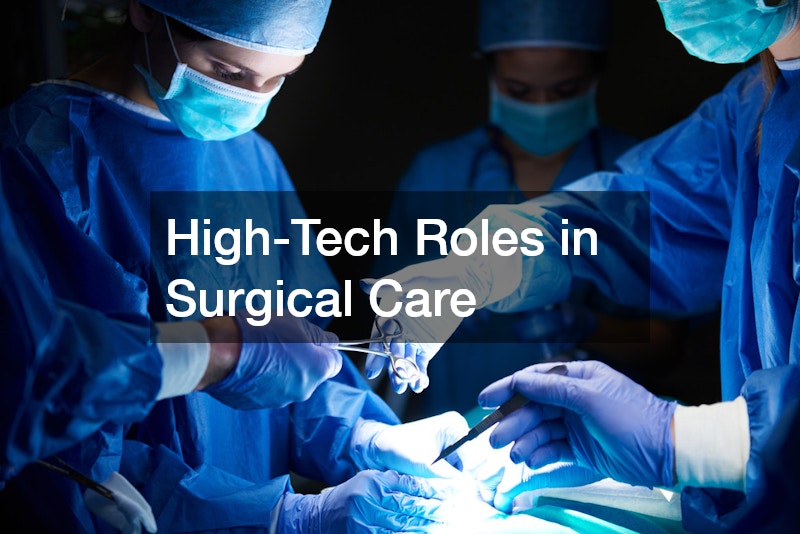
The field of surgery has long relied on precision, expertise, and teamwork. Modern technology has expanded what is possible, offering tools that enhance efficiency, reduce risks, and improve patient outcomes. From simulation-based training to real-time monitoring systems, healthcare professionals are better equipped than ever to handle complex procedures safely.
A surgical technologist program now integrates cutting-edge equipment, virtual reality simulations, and digital workflow management into training curricula. Students can practice surgical techniques in realistic environments without putting patients at risk, gaining experience with instruments, sterilization protocols, and operating room coordination. These tools bridge the gap between classroom instruction and real-world performance.
Beyond education, technology also supports intraoperative precision and post-operative monitoring. Surgical teams can access real-time imaging, automated instruments, and digital checklists to reduce errors. By combining human expertise with technological innovation, surgical technologists contribute to safer procedures, more predictable outcomes, and enhanced overall patient care.
Precision in Medical Supply Chains
The delivery and management of medical supplies is critical to patient care, and technology has transformed how these processes operate. Inventory tracking, temperature monitoring, and logistics software now ensure that sensitive materials reach their destinations safely and on time. These innovations reduce waste, prevent contamination, and maintain regulatory compliance.
For bone graft delivery, specialized tracking systems and climate-controlled transport vehicles ensure materials remain sterile and effective from supplier to surgical site. Digital monitoring allows healthcare teams to verify storage conditions, track shipments, and respond to delays immediately, improving reliability and safety in patient care.
Technology also supports supply chain transparency and efficiency. Automated reporting, predictive logistics, and integration with hospital management systems reduce errors and streamline workflows. By leveraging these tools, healthcare providers ensure critical materials arrive in optimal condition, supporting better surgical outcomes and overall patient health.
Innovations in Therapeutic Training

Therapeutic care has seen major advancements due to technology, which enhances both the effectiveness of treatments and the quality of education for practitioners. Traditional training relied heavily on direct supervision and repetitive practice, but digital tools now provide simulations, video demonstrations, and interactive learning platforms. This enables students to gain confidence and precision before working with real clients, improving both skill and safety outcomes.
In massage therapy training, advanced equipment like haptic feedback devices, anatomical software, and online modules allow learners to understand muscle anatomy, pressure points, and movement patterns in depth. Students can visualize underlying structures, practice techniques virtually, and receive immediate feedback on their form and approach. This reduces mistakes and ensures that emerging therapists are well-prepared to provide effective, safe treatments.
Technology also benefits experienced therapists by offering continuing education and specialized certification programs. Platforms for tele-mentoring, case study analysis, and performance tracking help professionals stay up-to-date on techniques, modalities, and client safety standards. Overall, technological tools in therapeutic training improve competency, safety, and client outcomes while fostering lifelong learning.
Non-Surgical Aesthetic Advancements
Aesthetic medicine has been revolutionized by minimally invasive technologies that deliver results with less downtime and lower risk than traditional surgical approaches. These innovations are designed to provide precise, targeted improvements to appearance while prioritizing safety and client satisfaction. Professionals now rely on tools that allow for more predictable and consistent outcomes in cosmetic treatments.
The pdo face lift thread procedure exemplifies this progress. Using specialized absorbable threads, practitioners can lift and tighten facial tissues with minimal discomfort. Technology aids in thread placement through imaging guidance and pre-treatment planning software, ensuring accurate results that respect the patient’s natural anatomy. Monitoring tools also help assess results and predict tissue response, reducing the likelihood of complications.
As non-surgical aesthetics continue to evolve, technology enhances patient education, practitioner training, and procedural safety. Digital modeling, simulation, and progress-tracking apps allow clients to visualize outcomes and professionals to refine techniques. These advancements are reshaping cosmetic medicine, providing effective results with increased accessibility and improved safety standards.
Technology’s Role in Mobility Health
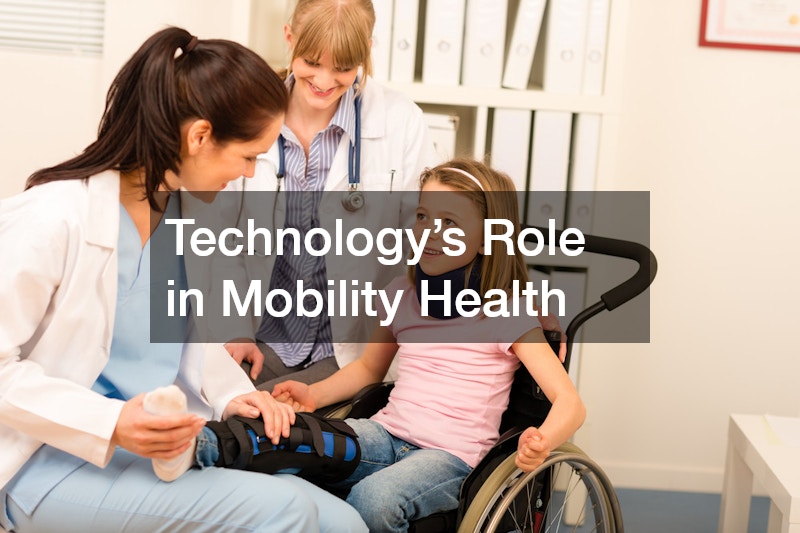
Mobility and musculoskeletal health have been significantly enhanced through technological innovations, which allow for more accurate diagnosis, effective treatment, and long-term monitoring. Conditions that once limited movement or caused chronic discomfort can now be assessed and managed with sophisticated tools that measure motion, detect stress on joints, and track recovery.
In managing joint pain, wearable sensors, motion capture technology, and rehabilitation software allow healthcare providers to monitor mobility, identify sources of discomfort, and design personalized treatment plans. Digital imaging and smart devices help track progress over time, enabling adjustments to therapy regimens and early interventions before pain worsens.
Technology also supports patient engagement and preventive care. Telehealth platforms, educational apps, and remote monitoring systems empower individuals to follow exercise programs, track mobility metrics, and maintain consistent care. By combining professional guidance with digital tools, patients experience improved joint function, reduced discomfort, and enhanced overall quality of life.
Functional Nutrition Breakthroughs
Nutrition and dietary health are increasingly supported by technological advancements that analyze nutritional content, track dietary habits, and create functional solutions for wellness. Research in food science, combined with innovative production methods, allows for the development of ingredients that offer specific health benefits beyond basic nutrition.
Apple powder is one such innovation. By processing apples into a concentrated powder rich in antioxidants, fiber, and bioactive compounds, manufacturers create a versatile supplement that can support digestive health, cardiovascular function, and immune support. Modern extraction and processing technology preserve the nutrients while ensuring consistency and safety for consumers.
Beyond supplements, technology also helps individuals make better dietary decisions. Mobile apps, smart kitchen devices, and personalized nutrition platforms track nutrient intake, recommend dietary adjustments, and integrate functional ingredients into daily meals. These advancements make health-focused nutrition more precise, practical, and effective for supporting long-term wellness.
Data-Driven Spinal Care
Spinal health is critical to overall mobility, posture, and wellness, and technology has transformed how professionals assess, diagnose, and treat spinal conditions. Advanced imaging, motion analysis, and patient-tracking systems allow practitioners to provide more precise interventions and monitor outcomes with greater accuracy than ever before. These tools also help identify subtle issues that might not be visible through traditional evaluation methods, enabling proactive care and reducing the risk of long-term complications.
For chiropractors, digital X-rays, computerized posture analysis, and motion-sensing tools provide comprehensive insights into spinal alignment and joint function. These technologies enable chiropractors to tailor adjustments, track progress over time, and identify potential issues before they become severe. Integration with electronic health records also allows for coordinated care with other specialists, ensuring patients receive holistic and well-informed treatment plans.
Technology further enhances patient engagement and compliance in spinal care. Interactive treatment plans, telehealth consultations, wearable posture monitors, and remote exercise tracking help patients stay on track with corrective routines and maintain long-term spinal wellness. By combining professional expertise with innovative technology, chiropractic care becomes more effective, data-driven, and personalized, supporting better mobility, reduced discomfort, and improved quality of life.
Technology continues to redefine the way we approach health, wellness, and personal care, enhancing both professional practice and individual outcomes. Across industries, innovation is improving education, precision, and accessibility, allowing practitioners to provide safer, more effective services while empowering individuals to take a proactive role in their health. From modernized learning environments to data-driven treatments, technology supports better decision-making and more consistent results.
In wellness education, advanced tools prepare students in beauty schools, massage therapy training programs, and surgical technologist programs to enter the workforce with confidence, skill, and safety awareness. Similarly, professionals like nail techs, chiropractors, and aesthetic specialists now rely on precision instruments, digital monitoring, and simulation tools to deliver superior care. Even in preventive and supportive domains, innovations in pool repair, bone graft delivery, apple powder, and joint pain management demonstrate how technology enhances safety, consistency, and long-term well-being.
These advancements illustrate that technology is not replacing human expertise but strengthening it. By combining digital solutions, automation, and data analytics with professional knowledge, individuals and practitioners alike can achieve better outcomes, improve efficiency, and maintain wellness in safer, more informed ways. Ultimately, embracing technological progress ensures that healthier lifestyles are more attainable, effective, and sustainable for everyone.